 Solivane
The Place of Occasional Higher-Energy Foods in Long-Term Dietary Patterns
Educational content only. No promises of outcomes.
Dietary Variety and Psychological Flexibility
Long-term dietary research reveals that individuals who maintain stable eating patterns over time often incorporate a range of foods, including those higher in energy or palatability. Rather than focusing on single eating occasions, population studies suggest that the broader patterns observed over weeks and months may be more relevant to understanding overall intake than daily variations.
Behavioural nutrition literature discusses the role of psychological flexibility—the ability to adapt eating choices based on context, social situations, and personal preferences—as a component of sustainable eating patterns. This flexibility may contribute to how individuals navigate food choices across different settings and occasions.
Understanding Discretionary Foods
The term "discretionary foods" refers to items that are higher in energy density or palatability, such as biscuits, chocolate, takeaways, and desserts. These foods are not prohibited in population guidelines but are often positioned as items to consume less frequently than staple foods like vegetables, whole grains, and proteins.
UK public health guidance does not eliminate these foods from dietary recommendations; rather, they are acknowledged as part of the food environment and eating culture, with suggestions that they be consumed occasionally or in smaller portions within the context of overall food intake.

Energy Balance Over Longer Time Periods
From a nutritional science perspective, what matters for long-term outcomes is the cumulative energy balance and nutrient intake over extended periods. A single meal or eating occasion does not determine overall dietary patterns; instead, the aggregate of many eating decisions across time forms the basis of what researchers observe in population studies.
This perspective suggests that within an overall eating pattern, there may be room for occasional higher-energy foods, provided that the total weekly or monthly energy intake and nutrient balance remains aligned with overall health-related aims. The research literature emphasizes that dietary patterns are complex and individual variation is substantial.
Observational Patterns in Population Studies
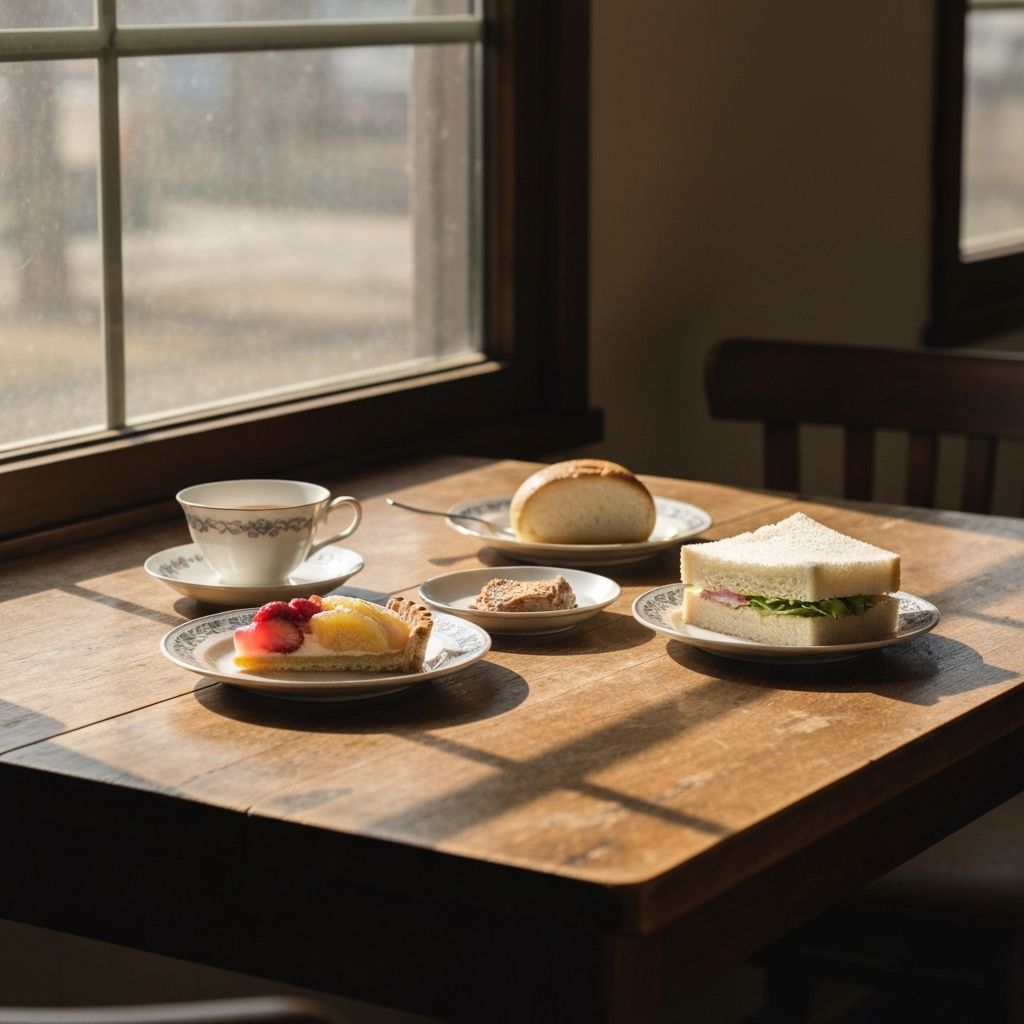
Research examining cohorts that maintain weight stability over years has found that these individuals do not necessarily avoid higher-energy foods entirely. Instead, they appear to incorporate these foods within a broader eating pattern characterized by overall energy balance and variety.
Conversely, individuals who experience weight regain often show different patterns in how they structure their eating over time. Observational data suggests that the frequency, portion size, and context of consumption may play roles in these differences, though causation is difficult to establish from observational research alone.
These observations do not indicate that eating occasional treats "causes" weight stability, but rather that stable eating patterns observed in populations may include these foods as part of a broader balance.
The Role of Portion, Context, and Frequency
The broader research suggests that portion awareness and contextual factors (such as eating in social settings versus eating alone, or during celebrations versus routine daily meals) may be relevant to how dietary patterns develop. These contextual elements interact with individual preferences, family traditions, and cultural backgrounds.
Important to note: this does not constitute a prescriptive recommendation for specific frequencies or portion sizes. Individual variation is substantial, and eating patterns are influenced by many factors beyond food choices alone, including physical activity, sleep, stress, genetics, and overall lifestyle.
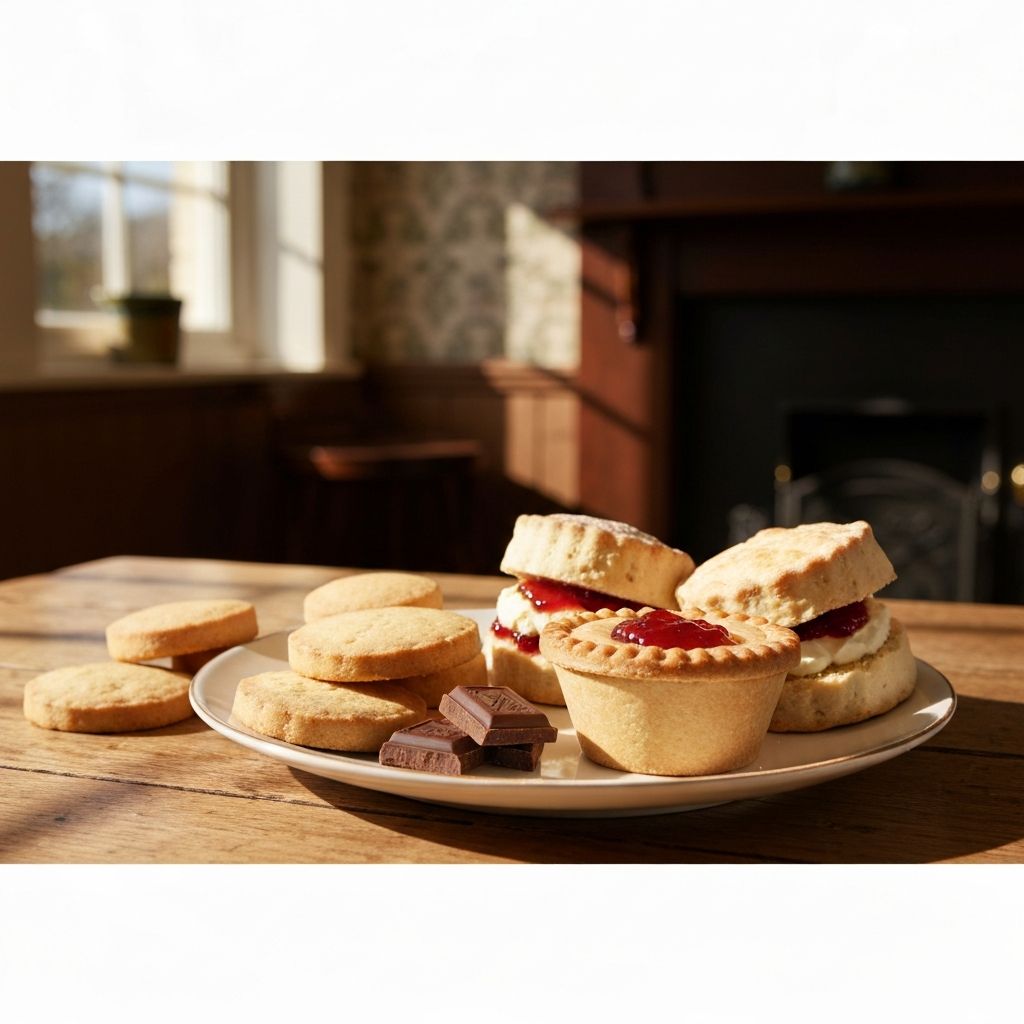
Common British Treats and Their Composition
Biscuits
Chocolate
Desserts & Cakes
Ice Cream
Takeaway Foods
Pastries & Baked Goods
Psychological Flexibility in Eating
Psychological flexibility in eating—the ability to make food choices based on values, context, and current circumstances—is discussed in the literature as a potential component of sustainable eating patterns. This flexibility may allow individuals to adapt their intake based on social occasions, family gatherings, and personal preferences while maintaining overall balance.
Research in this area explores how rigid thinking about food rules, guilt associated with eating certain foods, and all-or-nothing attitudes may interact with long-term eating patterns. A more flexible approach that acknowledges the role of different foods within an overall pattern is one perspective discussed in the literature.
This discussion is descriptive of research observations and does not constitute advice or a prescriptive approach. Individual psychological responses to different eating patterns vary considerably.
How UK Public Health Guidelines Address Discretionary Foods

The Eatwell Guide categorizes foods into groups and indicates proportions for overall intake. Discretionary foods are acknowledged as part of the British food environment but are positioned as items to consume "occasionally" or in "smaller amounts" compared to main food groups like vegetables, grains, and proteins.
This approach does not prohibit discretionary foods but rather contextualizes them within an overall eating pattern. The guidelines suggest that total energy intake, nutrient balance, and the proportion of different food groups are relevant to overall dietary quality.
NHS materials similarly acknowledge that foods like biscuits, chocolate, and takeaways are part of normal eating but suggest they be consumed less frequently than other foods, with awareness of portion sizes.
Research Limitations and Individual Variation
Observational studies examining population eating patterns and weight outcomes cannot establish cause-and-effect relationships. Many confounding factors influence weight outcomes, including physical activity, sleep quality, stress, genetic factors, medications, and overall lifestyle. It is not possible to isolate the effect of consuming occasional higher-energy foods from these broader contexts.
Individual variation is substantial. People respond differently to different eating patterns based on their genetics, health status, preferences, cultural background, and life circumstances. Research that describes general patterns observed in populations does not apply uniformly to all individuals.
Additionally, studies examining eating patterns often rely on self-reported dietary intake, which introduces measurement error. The relationship between reported discretionary food consumption and actual intake is not always straightforward.
This content presents observational research and general information about dietary patterns. It does not constitute personalised dietary advice, and individual decisions about food choices should be informed by consultation with qualified nutrition and healthcare professionals when needed.
Explore More on Dietary Patterns

Psychological Flexibility in Eating Patterns Research
An overview of how behavioural research examines flexible eating approaches and their relationship to long-term dietary patterns.
Read more
Discretionary Foods in Stable Weight Cohorts
Examining observational data on how occasional higher-energy foods appear in population cohorts that maintain weight stability over years.
Read more
Weekly Energy Averaging: Patterns Over Time
Exploring how researchers approach energy balance and nutrient intake across longer time periods rather than single meals.
Read more
Contextual Influences on Treat Consumption
How social settings, celebrations, and contextual factors appear to influence the frequency and portions of discretionary foods in research literature.
Read more
UK Guideline Approach to Occasional Foods
An examination of how UK public health materials position discretionary foods within broader dietary recommendations and the Eatwell Guide framework.
Read more
Limitations in Treat-Focused Research
Discussing the challenges of isolating treat consumption from broader lifestyle factors and the importance of individual variation in dietary research.
Read moreFrequently Asked Questions
Does research suggest that occasional treats are part of stable eating patterns?
Observational population studies do show that individuals who maintain stable weight over long periods often include occasional higher-energy foods in their overall eating patterns. However, this does not establish causation. Stable eating patterns involve many factors, and individual responses vary considerably.
What does "energy balance over time" mean in dietary research?
Energy balance over time refers to the idea that what matters for long-term outcomes is cumulative energy intake across weeks and months, rather than individual meals. Research often examines patterns across longer periods rather than daily variations.
How do UK public health guidelines address discretionary foods?
UK guidelines such as the Eatwell Guide and NHS materials acknowledge discretionary foods as part of the food environment but recommend they be consumed "occasionally" or in smaller amounts compared to main food groups. They are not eliminated from recommendations but are positioned within the context of overall eating patterns.
What role does context play in eating patterns according to research?
Research suggests that contextual factors—social occasions, celebrations, family meals, versus routine daily eating—may influence both the frequency and portion sizes of different foods. Context is one of many factors that shape eating behaviour in populations.
What are some limitations of treat-focused dietary research?
Key limitations include difficulty isolating the effects of treats from overall lifestyle factors, reliance on self-reported dietary intake, substantial individual variation, and the inability to establish causation from observational studies alone. Research describes patterns observed in populations, not universal truths.
Does psychological flexibility in eating matter for long-term patterns?
Behavioural research discusses psychological flexibility—the ability to adapt eating choices based on context and preferences—as a potential aspect of sustainable eating patterns. This is descriptive of research observations and does not constitute prescriptive advice.
Can this content replace personalised dietary advice?
No. This website provides general educational information only and is not intended as personalised dietary or health advice. For personal nutrition decisions and health-related concerns, consult qualified healthcare or nutrition professionals.
Explore the Blog
Learn more about dietary patterns, research insights, and the role of discretionary foods in eating behaviours.
Continue ReadingEducational Information Disclaimer
This website provides general educational information only. The content is not intended as, and should not be taken as, personalised dietary or weight-related advice. Eating patterns, including occasional higher-energy foods, vary widely between individuals and contexts. For personal nutrition decisions, consult qualified healthcare or nutrition professionals.
Educational content only. No promises of outcomes.